Ethiopia Waste Incinerator Market Report: Demand Characteristics, Local Trends, and Application of Modern Incineration Technologies
Ethiopia Waste Incinerator Market Report: Demand Characteristics, Local Trends, and Application of Modern Incineration Technologies
1. Overview of Ethiopia’s Waste Management Landscape
Ethiopia, with major cities such as Addis Ababa, Dire Dawa, and Mekelle, faces growing pressure to strengthen its municipal and medical waste treatment systems. Rapid population growth, expanding healthcare facilities, and industrial development have intensified waste generation, while landfill capacity and controlled disposal methods remain limited. Many regions continue to rely on open dumping or rudimentary burning, creating environmental and public-health challenges that local governments and international agencies seek to address urgently.
2. Key Market Characteristics
The waste incinerator market in Ethiopia shows several clear structural features:
-
High proportion of mixed municipal waste, often containing organic fractions that require stable combustion technologies.
-
Medical waste volumes increasing, especially in cities such as Hawassa and Bahir Dar, following hospital expansions and international health programs.
-
Remote regional clinics and field operations across Afar, Somali, and Oromia often lack centralized treatment, creating demand for mobile or containerized incineration systems.
-
Growing emphasis on emissions control, driven by both national environmental directives and the influence of global frameworks.
These characteristics create a market that values equipment reliability, flexible installation, and adaptable fuel options.
3. Demand Drivers and Market Trends
Several factors define the upward demand curve in Ethiopia:
-
Healthcare sector growth
Major hospitals in Addis Ababa and regional medical centers increasingly require compliant medical waste incinerators with multi-chamber designs and higher combustion efficiency. -
Expansion of humanitarian operations
Ethiopia frequently hosts programs supported by the United Nations, UNDP, WHO, and various NGOs operating in refugee camps, emergency shelters, and rural health units. These institutions often adopt standardized incineration solutions to meet safety and environmental requirements. -
Urbanization and population concentration
Cities such as Gondar and Adama generate large volumes of mixed waste, creating demand for medium-capacity units capable of continuous or semi-continuous operation. -
Shift toward regulated waste treatment
Ethiopia has been moving toward stricter oversight of medical and hazardous waste handling. This shift encourages adoption of engineered incinerators with secondary combustion chambers and optional wet scrubber systems.
4. Suitability of Incinerator Solutions to Ethiopia’s Local Conditions
Waste streams in Ethiopia are often high-moisture and inconsistently sorted. Suitable incineration systems therefore require:
-
High-temperature secondary combustion for complete burnout of low-calorific waste.
-
Diesel, LPG, or natural gas burners to stabilize combustion under variable moisture levels.
-
Top-loading or batch-loading chambers for bulky municipal refuse or community waste batches.
-
Mobile or containerized systems for deployment in remote regions where civil construction is limited.
These characteristics align well with solutions frequently deployed by UN field missions and health programs across East Africa.
5. HICLOVER Incinerators: Advantages for the Ethiopian Market
HICLOVER’s portfolio presents several strengths that match the requirements emerging in Ethiopia:
-
Top-loading and medical waste models optimized for hospitals in cities like Addis Ababa and Hawassa.
-
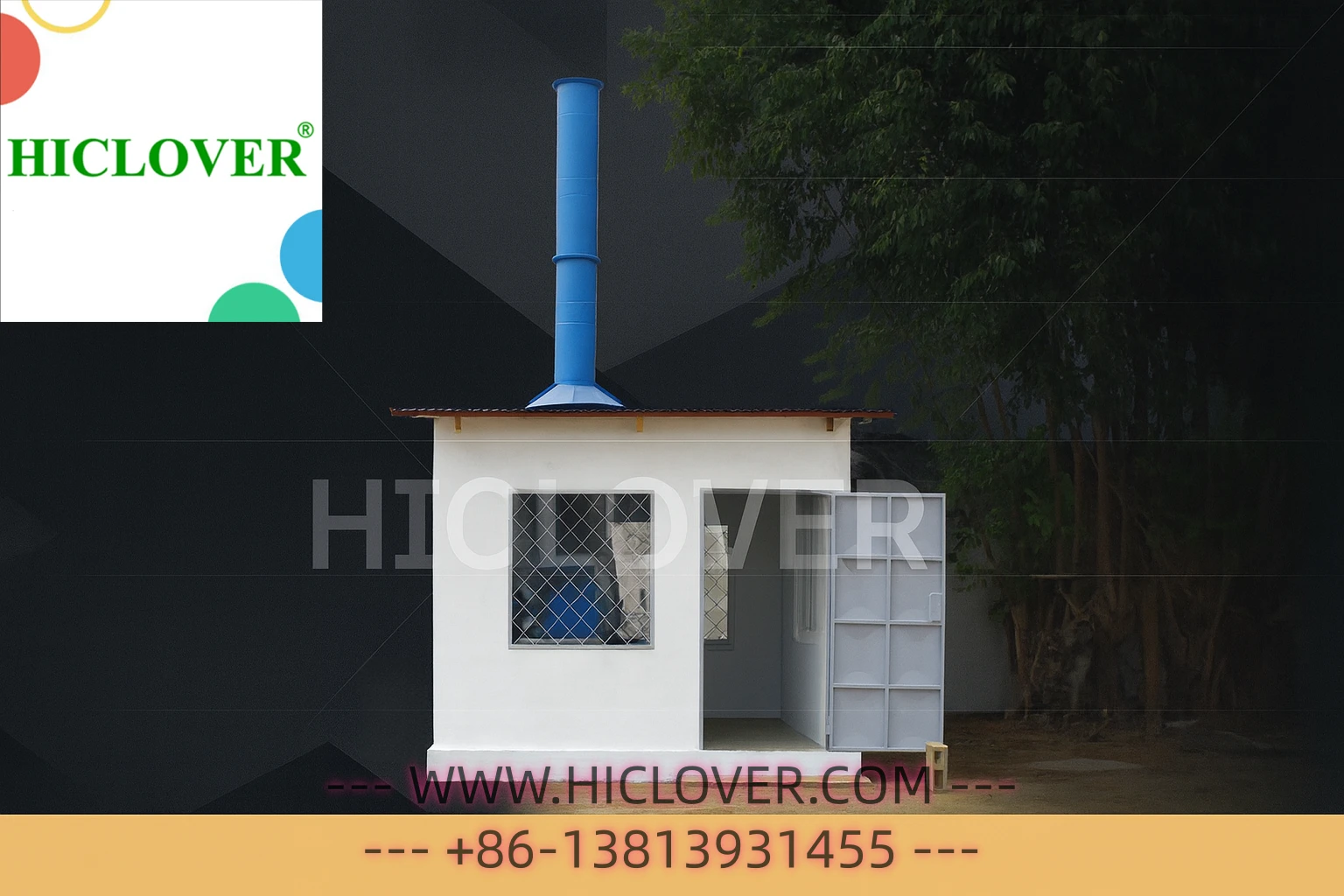
Containerized mobile incinerators ideal for NGOs and UN agencies working in regions such as Gambella, Afar, and Somali.
-
Multiple combustion chambers ensuring cleaner emissions and higher destruction efficiency, suitable for both municipal and hazardous waste.
-
Optional wet scrubbers and dry filtration for projects demanding enhanced environmental compliance.
-
Fast deployment capability, especially valuable for emergency or humanitarian missions.
-
Proven field track record across Africa, including installations supported by international development institutions.
These advantages allow HICLOVER systems to adapt to Ethiopia’s diverse operating environments, from dense urban districts to isolated rural clinics.
6. Additional Highlight: The Importance of Waste Treatment in Drought-Affected Zones
As Ethiopia continues to experience climate-driven pressures―including droughts in Somali, Afar, and parts of Oromia―the management of medical and community waste becomes increasingly critical. Limited water resources often restrict sanitary burial or controlled landfill operations. In such regions, compact and fuel-efficient incinerators provide a stable method for destroying infectious waste without relying on large civil infrastructure. This theme resonates strongly with humanitarian organizations overseeing emergency health operations.
7. Market Outlook
The Ethiopian waste incinerator market is expected to grow steadily due to:
-
Expansion of regional hospitals
-
Urban waste reforms in Addis Ababa and major secondary cities
-
International development projects requiring compliant waste treatment
-
Strengthened involvement of the United Nations, African Union mission facilities, and cross-border refugee-support programs
-
Rising emphasis on sustainability and emissions awareness
This combination of technical need, regulatory evolution, and institutional investment positions Ethiopia as one of the most dynamic incinerator markets in East Africa.
Ethiopia’s evolving waste management environment―shaped by healthcare expansion, population growth, and international humanitarian operations―creates strong demand for reliable waste incineration solutions. HICLOVER’s engineered systems, particularly their mobile, containerized, and medical waste units, align directly with local requirements across Addis Ababa, Mekelle, Dire Dawa, and remote operational zones.
Their robustness, adaptability, and compatibility with UN and NGO field standards position them as suitable solutions for Ethiopia’s long-term waste treatment strategy.
2025-12-11/14:01:00
|
Incinerator Items/Model |
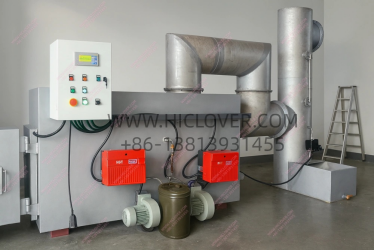
HICLOVER TS100(PLC)
|
|
Burn Rate (Average) |
100kg/hour |
|
Feed Capacity(Average) |
150kg/feeding |
|
Control Mode |
PLC Automatic |
|
Intelligent Sensor |
Continuously Feeding with Worker Protection |
|
High Temperature Retention(HTR) |
Yes (Adjustable) |
|
Intelligent Save Fuel Function |
Yes |
|
Primary Combustion Chamber |
1200Liters(1.2m3) |
|
Internal Dimensions |
120x100x100cm |
|
Secondary Chamber |
600L |
|
Smoke Filter Chamber |
Yes |
|
Feed Mode |
Manual |
|
Burner Type |
Italy Brand |
|
Temperature Monitor |
Yes |
|
Temperature Thermometer |
Corundum Probe Tube, 1400℃Rate. |
|
Temperature Protection |
Yes |
|
Automatic Cooling |
Yes |
|
Automatic False Alarm |
Yes |
|
Automatic Protection Operator(APO) |
Yes |
|
Time Setting |
Yes |
|
Progress Display Bar |
3.7 in” LCD Screen |
|
Oil Tank |
200L |
|
Chimney Type |
Stainless Steel 304 |
|
1st. Chamber Temperature |
800℃–1000℃ |
|
2nd. Chamber Temperature |
1000℃-1300℃ |
|
Residency Time |
2.0 Sec. |
|
Gross Weight |
7000kg |
|
External Dimensions |
270x170x190cm(Incinerator Main Body) |
|
Burner operation |
Automatic On/Off |
|
Dry Scrubber |
Optional |
|
Wet Scrubber |
Optional |
|
Top Loading Door |
Optional |
|
Asbestos Mercury Material |
None |
|
Heat Heart Technology(HHT) |
Optional |
|
Dual Fuel Type(Oil&Gas) |
Optional |
|
Dual Control Mode(Manual/Automatic) |
Optional |
|
Temperature Record |
Optional |
|
Enhanced Temperature Thermometer |
Optional |
|
Incinerator Operator PPE Kits |
Optional |
|
Backup Spare Parts Kits |
Optional |
|
Mobile Type |
Optional:Containerized/Trailer/Sledge Optional |