
High Aluminum Refractory Cement Cement Alumina Chemicals AL2O350 CA50 A600(Kg)
High Aluminum Refractory Cement Cement Alumina Chemicals AL2O350 CA50 A600(Kg)
High Aluminum Refractory Cement Cement Alumina Chemicals AL2O350 CA50 A600(Kg)
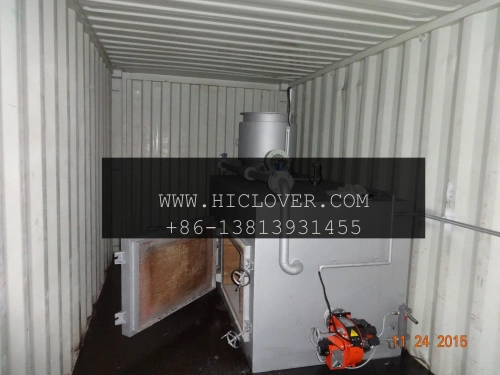
HICLOVER Containerized Mobile Incinerators for Emergency and Industrial Waste Treatment In today’s global context, the demand for flexible, high-performance waste treatment systems is increasing across multiple industries. From emergency health deployments to agricultural operations and oilfield camps, reliable incineration technology is essential. HICLOVER addresses this demand with advanced containerized mobile incinerators designed for rapid deployment, environmental…
Read more

Mobile type waste incinerators offer several advantages that make them a viable solution for waste management, particularly in remote locations or where quick and efficient waste disposal is needed. Flexibility and mobility: Mobile incinerators can be easily transported to where they are needed most. This is particularly useful for temporary waste disposal requirements, such as…
Read more

Hospital waste can be categorized into various types, including: General Waste: This is similar to domestic waste and comprises about 75-90% of hospital waste. It includes paper, packaging, food waste, and other non-hazardous materials. Infectious Waste: Generated from medical procedures, this includes items contaminated with blood, body fluids, or other potentially infectious materials. Examples are…
Read more

People cremate their pets for several reasons. One of the main reasons is to keep their pet’s memory close to them. By choosing cremation, pet owners can have their pet’s ashes returned to them, which allows them to keep a part of their pet with them in a tangible way. This can provide comfort and help in the grieving process, as it offers a way to memorialize the pet and maintain a sense of connection even after they’re gone. Another reason for pet cremation is the practical aspect. Depending on where you live, burying a pet in your backyard or finding a pet cemetery may not be feasible or legal. Cremation provides a practical solution for pet owners who want to honor their pet’s life but do not have the option or desire to bury them. Cremation also offers flexibility in terms of memorial options. Some pet owners choose to scatter their pet’s ashes in a place that was special to their pet, while others might keep the ashes in an urn or other memorial container. This allows for a personalized and meaningful way to honor their pet’s memory. Lastly, some pet owners opt for cremation because it aligns with their personal or cultural beliefs about death and the afterlife. For some, cremation is seen as a respectful and dignified way to handle their pet’s remains. In summary, people cremate their pets for reasons such as keeping their pet’s memory close, practical considerations, flexibility in memorial options, and personal or cultural beliefs about death and the afterlife.

Medical waste incinerators are used to effectively manage medical waste due to their ability to eliminate a significant portion of hazardous and potentially infectious materials. Incineration is a process that heats the waste to very high temperatures, often exceeding 1,000°C, which effectively destroys pathogens and viruses, including those that are highly infectious and resistant, such as COVID-19 and Ebola. This thermal oxidation process reduces the volume of waste, making it safer for disposal and preventing the spread of diseases through the waste material. Moreover, incineration is considered the most effective method for reducing medical waste volume by up to 99%, which is crucial in managing waste in areas where landfill space is limited or where the proper disposal of medical waste is a significant concern. This process not only helps to protect the environment by reducing the amount of waste that needs to be disposed of in landfills but also helps to prevent the contamination of water sources and the spread of diseases through improper waste management. In summary, medical waste incinerators are used because they provide a safe and effective way to manage potentially infectious and hazardous medical waste, reducing the risk of disease transmission and protecting the environment.